
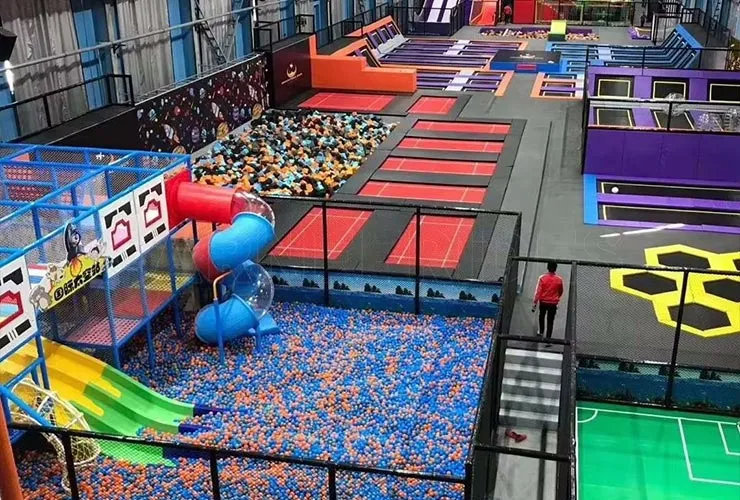
Indoor family entertainment centers have become popular destinations for children, parents, and groups looking for safe, active, and enjoyable recreational experiences. A successful center needs more than colorful decorations and open floor space. It requires carefully selected attractions that encourage movement, exploration, social interaction, and imaginative play. Among the most valuable investments for these venues is Soft Play Equipment, which can transform an ordinary indoor area into an engaging play environment for children of different ages.
Why Soft Play Equipment Matters in Family Entertainment Centers
Soft play attractions provide children with opportunities to climb, crawl, balance, slide, jump, and explore within a controlled indoor setting. Unlike many traditional playground structures, soft play installations can be designed specifically for indoor environments and customized to match available space, themes, and age groups.
For family entertainment centers, the right combination of attractions can also improve the overall visitor experience. Children remain engaged for longer periods, while parents can enjoy watching or participating in activities. A thoughtfully designed play zone can become one of the main reasons families return regularly.
Multi-Level Soft Play Structures
Multi-level play structures are among the most recognizable ideas for modern indoor entertainment centers. These systems can combine climbing platforms, tunnels, bridges, ramps, slides, and interactive obstacles into one connected attraction.
Different levels allow children to discover new challenges as they move through the structure. Designers can include easier pathways for younger children and more challenging routes for older kids. Bright colors, themed panels, viewing windows, and interactive features can make the structure visually attractive while adding variety to the experience.
The layout should provide clear visibility and sufficient circulation space so staff can monitor children efficiently. A well-organized multi-level structure can make excellent use of vertical space while creating a strong visual centerpiece for the facility.
Ball Pits and Interactive Ball Zones
Ball pits remain a classic feature for indoor play centers because they offer simple but highly engaging entertainment. A ball pit can be incorporated into a larger play structure or designed as a separate activity area.
Modern ball zones can include ball cannons, climbing walls, soft obstacles, rotating elements, and interactive targets. These additions turn a basic ball pit into a more dynamic experience that encourages children to move and interact with their surroundings.
Using different colors, shapes, and interactive components can also create themed areas. For example, a center might develop an underwater, jungle, space, or adventure concept around its ball-play zone.
Soft Slides for Different Age Groups
Slides are another essential attraction that can increase the excitement of an indoor play area. Soft slides can be incorporated into large structures or installed as standalone attractions.
For younger children, shorter and gentler slides can provide an introduction to climbing and sliding. Older children may enjoy taller or more adventurous designs. Offering several slide styles allows a family entertainment center to serve multiple age groups without relying on one attraction.
Designers should consider landing areas, access routes, traffic flow, and appropriate height differences when incorporating slides into a play environment. Proper planning helps maintain an enjoyable and organized experience.
Toddler Soft Play Areas
Family entertainment centers often welcome children who are too young for larger play structures. Creating a dedicated toddler area can help meet their needs while providing parents with a comfortable space designed for younger users.
Toddler-focused Soft Play Equipment may include small climbing blocks, soft tunnels, mini slides, stepping elements, activity panels, and foam shapes. The equipment can feature rounded edges, low heights, and age-appropriate challenges.
Separating toddler activities from high-energy attractions can also improve the overall organization of the facility. Parents with younger children can enjoy a dedicated environment without placing them directly alongside larger, faster-moving attractions.
Soft Climbing Walls and Obstacles
Soft climbing features introduce physical challenges while encouraging children to develop coordination and confidence. Indoor climbing walls can be designed with padded surfaces and child-friendly handholds, while obstacle courses can combine crawling, climbing, balancing, and navigating activities.
An obstacle area can include soft beams, stepping pods, crawl tunnels, hanging elements, balance bridges, and climbing sections. Changing the arrangement or incorporating different challenge levels can keep the attraction interesting for repeat visitors.
For entertainment centers, obstacle-based attractions can also create opportunities for friendly competition and group activities.
Themed Play Zones
A strong visual theme can make an indoor family entertainment center more memorable. Soft play structures can be customized around concepts such as castles, pirate ships, forests, outer space, cities, farms, or underwater adventures.
Themed equipment allows children to engage in imaginative play while exploring physical attractions. A castle might feature towers, tunnels, slides, and pretend-play areas, while a space-themed zone could use rockets, planets, and futuristic activity panels.
Consistent colors, graphics, signage, and decorative elements can connect the attractions and create a cohesive environment.
Interactive Activity Panels
Not every attraction needs to involve climbing or running. Interactive panels can add quieter activities to a busy play center. These may include mazes, rotating gears, puzzles, matching games, counting activities, sensory features, and other hands-on challenges.
Activity panels are particularly useful for creating variety within larger structures. Children can pause between physical activities and engage with something that requires concentration and fine motor skills.
Soft Play Areas for Imaginative Role-Play
Role-play areas can give children opportunities to create their own stories and social games. Mini shops, kitchens, houses, emergency stations, construction areas, and other pretend-play environments can complement physical play equipment.
Combining role-play with Soft Play Equipment creates a more diverse experience. Children can move between active attractions and imaginative activities, making the facility suitable for different interests and play styles.
Dedicated Parent-Friendly Design
Although the equipment is primarily designed for children, the comfort of parents should also influence the layout. Seating areas near play zones allow adults to supervise children while relaxing.
Clear sightlines, accessible pathways, comfortable seating, convenient storage, and well-organized entrances can make a significant difference to the overall visitor experience. A family entertainment center that considers both children and adults is more likely to encourage longer visits and repeat customers.
Safety and Quality Considerations
Attractive equipment should always be supported by thoughtful safety planning. Operators should select equipment appropriate for the intended age groups and ensure that installations are designed, manufactured, installed, and maintained according to applicable safety requirements.
Padding, secure connections, suitable materials, protective barriers, appropriate spacing, and regular inspections are important considerations. Staff should also understand operating procedures and supervise areas according to the center’s policies.
Cleaning is equally important in indoor family entertainment environments. High-touch surfaces and soft components should be maintained through appropriate cleaning schedules and routine inspections.
Making the Most of Available Space
A successful indoor play center does not necessarily require an enormous building. Efficient planning can make a smaller facility feel exciting and varied. Vertical structures can maximize floor space, while strategically placed attractions can create separate activity zones.
Designers should consider entrance and exit points, staff visibility, seating, circulation, emergency access, storage, and future maintenance before finalizing the layout. Combining large attractions with smaller interactive elements can prevent the space from feeling repetitive.
Creating a Memorable Family Entertainment Experience
The best indoor family entertainment centers combine physical activity, imagination, social interaction, visual appeal, and convenience. A carefully selected range of Soft Play Equipment can provide the foundation for that experience.
Multi-level structures, ball pits, slides, toddler zones, climbing features, obstacle courses, interactive panels, and themed role-play areas each contribute something different. When these elements are planned as part of one cohesive environment, they can create an attractive destination that appeals to children while giving parents confidence in the quality and organization of the facility.
Ultimately, the goal is not simply to fill an indoor space with play equipment. The goal is to create an environment where children are excited to explore, families feel comfortable spending time together, and every visit offers opportunities for active and imaginative entertainment.