
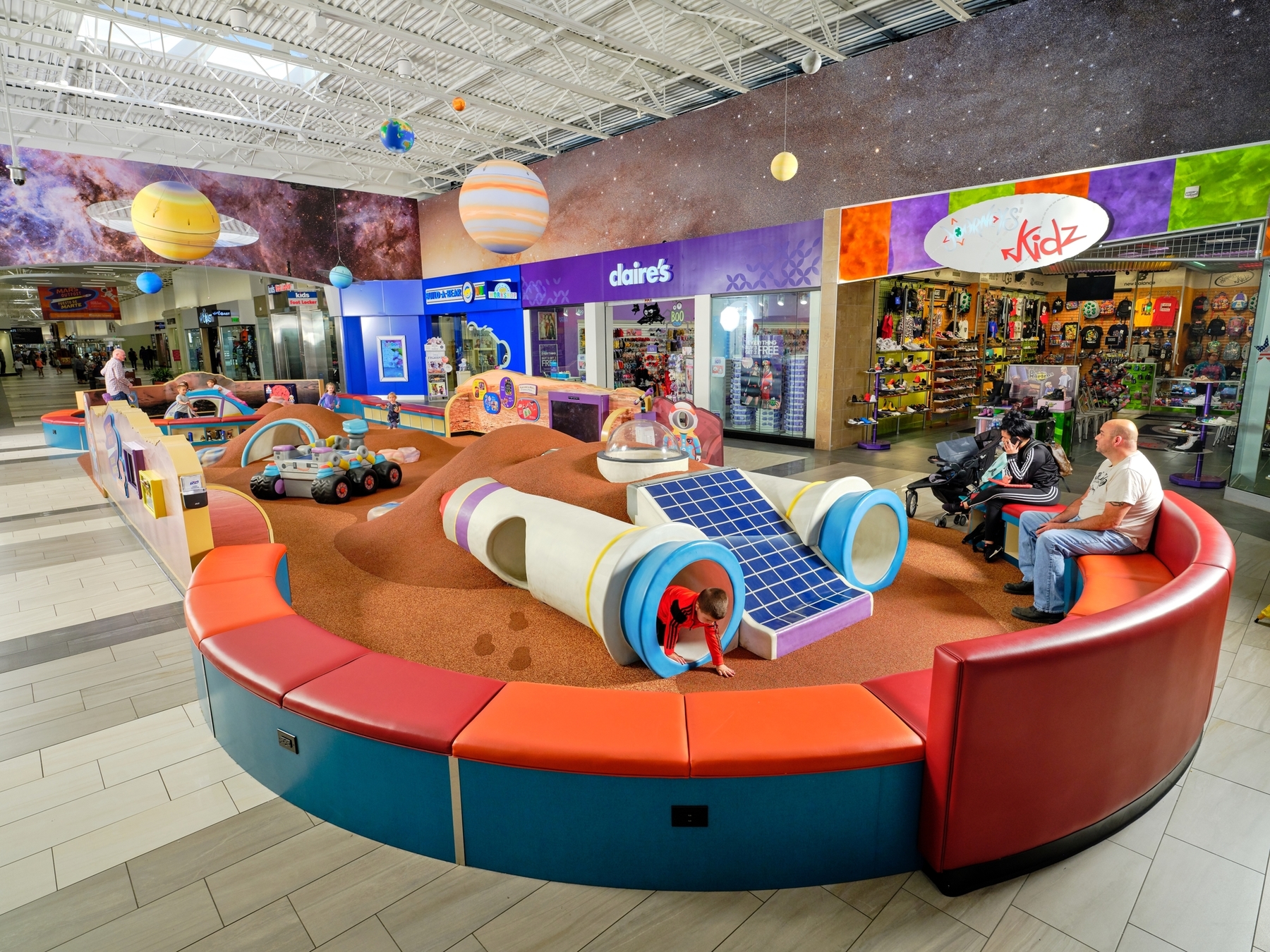
The indoor recreation industry is changing rapidly as families look for safe, engaging, and memorable entertainment experiences throughout the year. Indoor play centers, family entertainment centers, shopping malls, childcare facilities, resorts, and recreational venues are investing in innovative attractions that encourage children to stay active while giving parents a comfortable environment to enjoy. Among these attractions, commercial soft play equipment has become an important part of modern indoor recreation design.
Today’s soft play environments are no longer limited to basic climbing structures and ball pits. Modern facilities are combining imaginative themes, interactive technology, educational features, flexible layouts, and enhanced safety systems to create experiences that appeal to different age groups. Understanding these trends can help operators plan attractive facilities that remain competitive and relevant.
The Growing Demand for Indoor Play Experiences
Indoor recreation provides families with an alternative to outdoor activities when weather conditions are unfavorable. This has contributed to the popularity of indoor playgrounds and family entertainment centers. Operators are focusing on creating spaces where children can move, explore, socialize, and develop physical skills.
Parents increasingly expect more than simple entertainment. They want play environments that encourage creativity, coordination, problem-solving, and social interaction. As a result, commercial soft play equipment is being designed to support a broader range of developmental activities.
Modern play centers often include climbing areas, tunnels, slides, obstacle courses, sensory zones, and interactive activities. By combining these features, operators can create facilities that provide longer and more engaging play sessions.
The Rise of Themed Soft Play Environments
One of the most noticeable trends is the development of highly themed playgrounds. Instead of installing generic equipment, recreation businesses are creating environments based on popular concepts such as jungles, oceans, outer space, castles, cities, farms, and adventure worlds.
Themed environments can transform a standard playground into an immersive experience. Bright colors, custom shapes, decorative elements, and imaginative structures help children feel as though they are entering a different world.
For business owners, themed commercial soft play equipment can also support stronger branding. A unique theme may make a facility more recognizable and encourage visitors to take photographs and share their experiences on social media.
Interactive and Technology-Enhanced Play
Technology is becoming another important influence on indoor recreation. Digital projection systems, interactive walls, motion-based games, sensors, and electronic challenges can be integrated into physical play environments.
These technologies encourage children to combine physical movement with interactive challenges. For example, a wall may display targets that children need to touch, while projection systems can transform floors into interactive games.
The goal is not to replace traditional physical play but to enhance it. When used thoughtfully, technology can make climbing, jumping, running, and balancing more exciting while creating new opportunities for repeat visits.
Flexible Designs for Different Age Groups
Modern indoor recreation facilities are increasingly designed around specific age groups. Toddlers require different challenges from older children, while teenagers may prefer more advanced obstacle-based activities.
Manufacturers are therefore developing modular commercial soft play equipment that can be configured into different zones. A facility may include a dedicated toddler area, an intermediate play structure, and an advanced activity section for older children.
Separating activities by age can improve safety while also allowing businesses to serve a wider customer base. Flexible layouts can make it easier for operators to update or expand their facilities as customer preferences change.
Focus on Safety and Durability
Safety remains one of the most important considerations in indoor playground design. Children naturally move quickly, climb structures, jump between platforms, and interact with other children. Equipment must therefore be designed with appropriate protection and durable materials.
Modern soft play systems commonly emphasize padded surfaces, secure connections, rounded edges, protective barriers, and carefully planned pathways. Operators also need regular inspections and maintenance programs to keep equipment in good condition.
Durability is equally important for commercial facilities because equipment can experience heavy daily use. High-quality materials and strong construction can help reduce maintenance requirements and extend the useful life of a playground.
Inclusive and Accessible Play Spaces
Accessibility is becoming an increasingly important consideration for indoor recreation businesses. Modern playground designs are moving toward environments that allow children with different abilities to participate.
Inclusive play can involve accessible entry points, sensory activities, lower-level play features, wide pathways, and activities that encourage children to play together. The objective is to create an environment where participation is not unnecessarily limited by physical ability.
This trend reflects a broader shift toward welcoming recreation spaces that can accommodate diverse families. Businesses that prioritize inclusive design can create more positive experiences for visitors while serving a wider community.
Modular and Customizable Equipment
Another major trend is modular design. Traditional playgrounds can be difficult to modify once installed, but modular systems provide greater flexibility.
Operators can select different components and arrange them according to available floor space, customer demographics, and business objectives. Sections can potentially be expanded, rearranged, or refreshed as the facility develops.
This approach is especially useful for businesses working with unusual building layouts. Rather than forcing a standard playground into a space, customized commercial soft play equipment can be designed around columns, ceilings, entrances, and other architectural features.
Combining Play With Learning
Educational play is also influencing modern playground design. Indoor recreation centers are increasingly incorporating activities that encourage children to learn while having fun.
Interactive puzzles, counting games, construction areas, sensory activities, and problem-solving challenges can introduce educational concepts through physical experiences. This approach can make the playground more valuable to parents who want entertainment combined with developmental benefits.
Rather than separating education and recreation completely, modern facilities are finding ways to bring both elements together within a single environment.
Sustainable Materials and Responsible Design
Sustainability is becoming increasingly relevant across the recreation industry. Business owners and customers are paying more attention to material choices, product lifespan, energy use, and waste reduction.
Manufacturers are exploring more responsible production practices and durable materials that can withstand extensive use. Long-lasting equipment can also reduce the need for frequent replacement, helping businesses manage costs over time.
Sustainable design may increasingly become part of purchasing decisions as recreation operators look for solutions that balance performance, appearance, safety, and environmental considerations.
Creating Experiences That Encourage Repeat Visits
Successful indoor recreation businesses understand that the customer experience extends beyond the equipment itself. Modern facilities are designed to encourage visitors to return regularly.
Rotating activities, interactive challenges, seasonal themes, special events, and refreshed play areas can create a sense of novelty. Flexible commercial soft play equipment can support this strategy by allowing operators to introduce new activities without completely rebuilding the facility.
Comfort for parents is also important. Seating areas, clear visibility, clean facilities, food services, and convenient amenities can influence how long families stay and whether they choose to return.
The Future of Indoor Soft Play
The future of indoor recreation is likely to focus on experiences that combine physical activity, imagination, technology, accessibility, and social interaction. Soft play facilities are evolving from simple playgrounds into carefully planned entertainment destinations.
For operators, selecting the right commercial soft play equipment means considering more than appearance. Equipment should fit the available space, target audience, safety requirements, maintenance expectations, and overall business concept.
As competition within the indoor recreation industry grows, facilities that offer distinctive and engaging experiences will have opportunities to stand out. By following current trends while maintaining strong attention to safety, quality, flexibility, and customer experience, indoor recreation businesses can create play environments that remain attractive to families for years to come.