
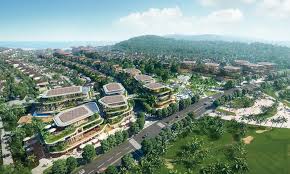
Urban planning and design have entered a transformative era in 2026, fueled by technological advancements, environmental awareness, and social dynamics. Cities are no longer just spaces for living and working—they are evolving into complex ecosystems where sustainability, efficiency, and quality of life are central. Innovations in urban planning are reshaping the way architects, developers, and policymakers approach city design, including everything from transportation networks to residential layouts and public spaces. This evolution also impacts house plans, as modern residential design increasingly aligns with broader urban goals.
Smart Cities and Digital Integration
One of the most significant innovations in urban planning today is the integration of smart city technologies. Cities are using sensors, IoT devices, and big data analytics to monitor and manage traffic flow, energy consumption, and public services in real time. These systems allow urban planners to optimize infrastructure efficiently, reducing congestion, waste, and environmental impact.
Smart technologies also influence house plans, as residential buildings are increasingly designed to connect seamlessly with citywide networks. Smart homes now incorporate energy-efficient appliances, automated climate control, and adaptive lighting systems that contribute to the overall sustainability goals of the city. By embedding technology into house plans, urban planners can ensure that residential development aligns with broader urban objectives such as reduced carbon emissions and improved livability.
Sustainable Urban Design
Environmental sustainability has moved from being a niche concern to a core principle in urban planning. Planners are prioritizing green spaces, renewable energy sources, and low-impact construction methods. Green roofs, solar panels, and rainwater harvesting systems are now common features in residential projects, reflecting a shift toward eco-conscious house plans.
Sustainable urban design also considers social and economic factors, ensuring that neighborhoods are resilient and inclusive. Mixed-use developments are becoming more popular, combining residential, commercial, and recreational spaces to create vibrant communities. House plans in these areas emphasize flexible layouts, energy efficiency, and access to shared amenities, supporting a balanced urban lifestyle.
Modular and Prefabricated Construction
Modular and prefabricated construction techniques are revolutionizing how cities expand. These methods allow for faster, more cost-effective building processes while maintaining high standards of quality. In urban planning, modular construction supports the development of housing complexes that can adapt to changing population demands, making city growth more flexible and responsive.
For residential design, modular house plans offer customization options without compromising efficiency. Homeowners can select layouts, finishes, and functional spaces that meet their needs while benefiting from reduced construction times and environmental impact. The use of modular components also enables easier integration of smart technologies and sustainable features into house plans.
Data-Driven Urban Design
Urban planners are increasingly leveraging data analytics to make informed decisions about city layouts, transportation systems, and housing developments. By analyzing population trends, mobility patterns, and environmental data, planners can create more efficient and resilient urban environments.
Data-driven approaches also influence house plans, as designers can predict lifestyle needs and optimize space usage. This allows architects to create homes that are functional, adaptable, and aligned with urban sustainability goals. For example, compact house plans designed for high-density areas may include multi-functional rooms and energy-efficient designs tailored to modern urban living.
Transportation Innovations
Transportation is a critical component of urban planning, and 2026 is seeing rapid innovation in this sector. Electric vehicles, autonomous public transport, and micro-mobility solutions such as e-scooters and shared bikes are reshaping how people move within cities. Urban planners are designing streets and neighborhoods to accommodate these changes, integrating bike lanes, pedestrian zones, and electric vehicle charging stations.
House plans are adapting to this mobility revolution by incorporating garages for electric vehicles, dedicated storage for bikes, and convenient access to public transportation hubs. Residential layouts are increasingly designed with connectivity and accessibility in mind, reflecting the growing importance of transportation planning in overall urban design.
Community-Centric Design
Modern urban planning emphasizes community engagement and participation. Cities are involving residents in the design process to ensure that public spaces, residential areas, and amenities reflect local needs and preferences. Participatory design approaches lead to stronger community bonds, safer neighborhoods, and more equitable urban development.
House plans are also reflecting this trend by prioritizing social spaces, outdoor living areas, and flexible layouts that accommodate multigenerational living. These design choices promote interaction, well-being, and inclusivity within residential communities, aligning individual homes with the broader goals of urban planning.
Resilient and Adaptive Infrastructure
Climate change and natural disasters have highlighted the importance of resilient urban design. Cities are investing in adaptive infrastructure, including flood-resistant buildings, earthquake-proof structures, and robust utility systems. Urban planning now integrates risk assessment and mitigation strategies to ensure long-term safety and functionality.
Residential house plans are evolving to match these standards, incorporating features such as elevated foundations, stormwater management systems, and durable building materials. By designing homes that can withstand environmental challenges, urban planners and architects contribute to safer, more sustainable communities.
Mixed-Use and Vertical Development
As urban populations grow, vertical development and mixed-use spaces are becoming more prevalent. Skyscrapers and multi-use buildings allow for efficient land use while providing housing, offices, retail spaces, and recreational areas in a compact footprint. This trend reduces urban sprawl, encourages public transport use, and fosters vibrant, walkable neighborhoods.
House plans in vertical developments are becoming more innovative, with designs that maximize space efficiency, natural light, and ventilation. Apartments and townhouses are incorporating adaptable layouts, smart home technologies, and sustainable materials, reflecting the broader urban planning strategy of high-density, multifunctional cities.
Inclusive and Equitable Design
Urban planning in 2026 places a strong emphasis on inclusivity and equity. Cities are addressing historical disparities in access to housing, healthcare, education, and public amenities. Policies encourage affordable housing, accessible public transportation, and community-centered urban design.
House plans are increasingly reflecting this approach, offering designs that accommodate diverse family structures, varying income levels, and accessibility needs. Features such as barrier-free entrances, adaptable room layouts, and multi-generational living options ensure that homes meet the needs of all residents, supporting equitable urban growth.
Future Outlook
The innovations driving urban planning and design in 2026 are creating cities that are smarter, more sustainable, and more livable. The integration of technology, data-driven insights, and community engagement is reshaping how urban spaces are conceived and developed. Residential design, including house plans, is evolving in parallel, offering homes that are efficient, flexible, and aligned with broader urban objectives.
As cities continue to grow and face new challenges, the collaboration between urban planners, architects, policymakers, and residents will be critical. By embracing innovation and prioritizing sustainability, inclusivity, and resilience, urban planning and design in 2026 are setting the stage for a future where cities are not only functional but also inspiring places to live, work, and thrive.