
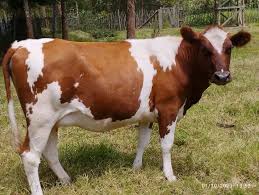
Introduction to Ayrshire Breed of Cattle
The Ayrshire breed of cattle is one of the most respected dairy breeds in the world, known for its resilience, efficiency, and high-quality milk production. Originating from Scotland, this breed has gained global recognition due to its adaptability and excellent performance in a variety of farming environments. Farmers value the Ayrshire breed of cattle not only for its productivity but also for its durability and ease of management, making it a preferred choice for both small-scale and commercial dairy operations.
History and Origin
The Ayrshire breed of cattle traces its roots back to the county of Ayr in southwestern Scotland. Development of the breed began in the late 18th century, where local cattle were selectively bred with other dairy types to enhance milk yield and overall hardiness. Over time, the Ayrshire breed of cattle became well-established and was recognized for its distinct qualities.
By the 19th century, the breed had spread beyond Scotland to countries such as the United States, Canada, Australia, and parts of Europe. Its ability to thrive in different climates contributed significantly to its global expansion. Today, the Ayrshire breed of cattle is widely distributed and continues to play a vital role in the dairy industry worldwide.
Physical Characteristics
The Ayrshire breed of cattle is easily identifiable due to its striking appearance. These cattle typically have a red and white coat pattern, although the shade of red can vary from light orange to deep mahogany. The color distribution is unique in each animal, making every Ayrshire visually distinctive.
In terms of size, Ayrshires are medium-sized cattle. Mature cows generally weigh between 450 to 600 kilograms, while bulls can weigh up to 800 kilograms or more. They possess a well-proportioned body with strong legs and a straight back, which contributes to their mobility and grazing efficiency.
Another notable feature of the Ayrshire breed of cattle is its well-developed udder. The udder is symmetrical and firmly attached, which supports efficient milking and reduces the risk of injury. These physical traits make Ayrshires both productive and practical for dairy farming.
Milk Production and Quality
One of the primary reasons farmers choose the Ayrshire breed of cattle is its excellent milk production. Ayrshire cows are known for producing moderate to high quantities of milk with a balanced composition of butterfat and protein. This makes their milk ideal for a wide range of dairy products, including cheese, butter, and yogurt.
The milk from the Ayrshire breed of cattle is particularly valued for its quality. It contains smaller fat globules compared to some other breeds, which improves digestibility and makes it suitable for processing. Additionally, Ayrshire milk has a natural balance that enhances flavor and texture in dairy products.
Another advantage is the breed’s consistency in milk production. Ayrshire cows maintain steady yields throughout their lactation period, providing farmers with a reliable source of income.
Adaptability and Hardiness
The Ayrshire breed of cattle is highly regarded for its adaptability to different environmental conditions. Whether in cold climates or warmer regions, these cattle can adjust effectively, making them suitable for diverse farming systems.
Their strong immune system and resistance to common diseases reduce the need for intensive veterinary care. This resilience is particularly beneficial for farmers looking to minimize costs and maintain healthy herds. The Ayrshire breed of cattle also performs well on various types of feed, including pasture-based diets, which further enhances its practicality.
In addition, these cattle are known for their excellent grazing ability. They can efficiently convert grass into milk, making them an ideal choice for pasture-based dairy farming systems.
Temperament and Behavior
The temperament of the Ayrshire breed of cattle is generally calm and manageable. While they are active and alert, they are not overly aggressive, making them easier to handle compared to some other breeds.
This balanced temperament is beneficial for farmers, especially those managing large herds. The Ayrshire breed of cattle is also known for its intelligence and responsiveness, which simplifies training and routine handling tasks such as milking and feeding.
Their active nature contributes to better grazing habits, as they tend to move around more and utilize pasture efficiently. This behavior supports sustainable farming practices and improves overall productivity.
Farming Value and Economic Benefits
The Ayrshire breed of cattle offers significant economic advantages to farmers. One of the key benefits is its efficiency in converting feed into milk. This efficiency reduces feeding costs while maintaining good production levels.
Another important factor is longevity. Ayrshire cows tend to have longer productive lives compared to many other dairy breeds. This means farmers can benefit from extended milk production without the need for frequent herd replacement, ultimately lowering overall costs.
The breed’s versatility also adds to its value. The Ayrshire breed of cattle performs well in both intensive and extensive farming systems. Whether in high-input commercial farms or low-input traditional setups, Ayrshires can deliver consistent results.
Furthermore, the high-quality milk produced by the Ayrshire breed of cattle often commands better prices in the market, especially for specialty dairy products. This enhances profitability and makes the breed a smart investment for dairy farmers.
Breeding and Management
Managing the Ayrshire breed of cattle is relatively straightforward, thanks to its robust nature and adaptability. Proper nutrition, regular health checks, and good housing conditions are essential for maintaining productivity and well-being.
Breeding Ayrshire cattle is also efficient, as they have good fertility rates and relatively easy calving. This reduces complications and ensures a steady supply of replacement heifers for the herd.
Farmers often focus on selective breeding to enhance desirable traits such as milk yield, udder quality, and disease resistance. With proper management practices, the Ayrshire breed of cattle can achieve optimal performance and long-term sustainability.
Role in Sustainable Agriculture
In modern agriculture, sustainability has become increasingly important, and the Ayrshire breed of cattle fits well into this approach. Their ability to thrive on pasture-based systems reduces reliance on expensive and resource-intensive feeds.
The breed’s durability and lower health care requirements also contribute to environmentally friendly farming. By requiring fewer inputs and maintaining consistent productivity, the Ayrshire breed of cattle supports sustainable dairy practices.
Additionally, their efficient grazing habits help maintain healthy pastures, which benefits soil health and biodiversity. This makes Ayrshires a valuable asset in eco-friendly farming systems.
Conclusion
The Ayrshire breed of cattle stands out as a reliable, efficient, and adaptable dairy breed with a rich history and strong global presence. From its origins in Scotland to its widespread use today, this breed has proven its value in various farming conditions.
With its excellent milk quality, strong physical traits, and economic advantages, the Ayrshire breed of cattle remains a top choice for dairy farmers worldwide. Its combination of productivity, resilience, and sustainability ensures that it will continue to play a vital role in the future of dairy farming.