
Sichuan, a province in southwest China, is renowned for its bold flavors, rich history, and stunning landscapes. For travelers seeking a culinary adventure combined with cultural immersion, Sichuan offers an unparalleled experience. This guide delves into Sichuan exploration tourism recommendation, helping you plan a journey that satisfies both your taste buds and your wanderlust.
Experiencing Sichuan’s Culinary Heritage
Sichuan cuisine is famous for its bold, spicy flavors, particularly the iconic “mala” taste—a combination of numbing Sichuan peppercorns and fiery chili. Street markets, local eateries, and high-end restaurants all offer opportunities to experience these unique flavors. One cannot discuss Sichuan exploration tourism recommendations without emphasizing the importance of indulging in authentic dishes such as mapo tofu, kung pao chicken, and hotpot. Each dish tells a story of the region’s history and culture, and sampling them is an essential part of any travel itinerary.
Visiting Chengdu, Sichuan’s capital, provides a perfect starting point. The city’s bustling food streets, like Jinli Ancient Street, offer a rich array of local snacks and delicacies. For those interested in culinary workshops, several local cooking schools allow tourists to learn the secrets of Sichuan cuisine firsthand. These experiences not only enhance appreciation for the region’s food but also serve as memorable highlights of Sichuan exploration tourism recommendations.
Exploring Local Markets and Food Streets
Sichuan’s markets are a sensory delight. From aromatic spices to fresh ingredients, the local markets reflect the province’s rich agricultural heritage. Travelers should explore places like Wuhouci Market in Chengdu, where the variety of peppers, garlic, and herbs showcase the backbone of Sichuan cooking. Engaging with local vendors offers insight into traditional cooking methods, making it a must-do in any Sichuan exploration tourism recommendation.
Food streets like Kuan Zhai Alley are also essential stops. Here, visitors can wander through bustling lanes filled with food stalls serving everything from spicy skewers to sweet desserts. These streets not only provide a taste of authentic Sichuan fare but also a glimpse into local daily life, blending culinary exploration with cultural observation.
Must-Visit Regions for Flavor and Adventure
Beyond Chengdu, Sichuan boasts numerous regions that combine natural beauty with culinary delights. Emeishan (Mount Emei) is a prime example, where visitors can hike scenic trails and then enjoy monastery-style vegetarian dishes unique to the area. Similarly, Leshan, famous for the Giant Buddha, offers riverside restaurants serving freshly caught fish with traditional Sichuan seasonings. Incorporating these stops into your travel plan elevates your experience, aligning perfectly with Sichuan exploration tourism recommendations.
Jiuzhaigou Valley, a UNESCO World Heritage site, provides both breathtaking scenery and local specialties. The valley’s Tibetan and Qiang communities add layers of cultural richness, offering dishes influenced by their unique traditions. Trying these regional foods gives travelers a deeper understanding of Sichuan’s diverse culinary landscape.
Hotpot: The Heart of Sichuan Dining
No discussion of Sichuan exploration tourism recommendations is complete without highlighting hotpot. This communal dining experience is central to local culture. Diners cook various meats, vegetables, and tofu in a boiling, flavorful broth, creating both a social and gastronomic experience. Hotpot restaurants are found throughout the province, ranging from small local establishments to large modern venues. Participating in a hotpot meal allows tourists to engage with local customs and savor the essence of Sichuan’s culinary identity.
For travelers seeking a more intimate experience, some restaurants offer personalized hotpot experiences where chefs guide you through selecting ingredients and adjusting spice levels. These settings provide not just a meal but an educational and interactive activity, making them an excellent addition to any Sichuan exploration tourism recommendation.
Sichuan Tea Culture and Snacks
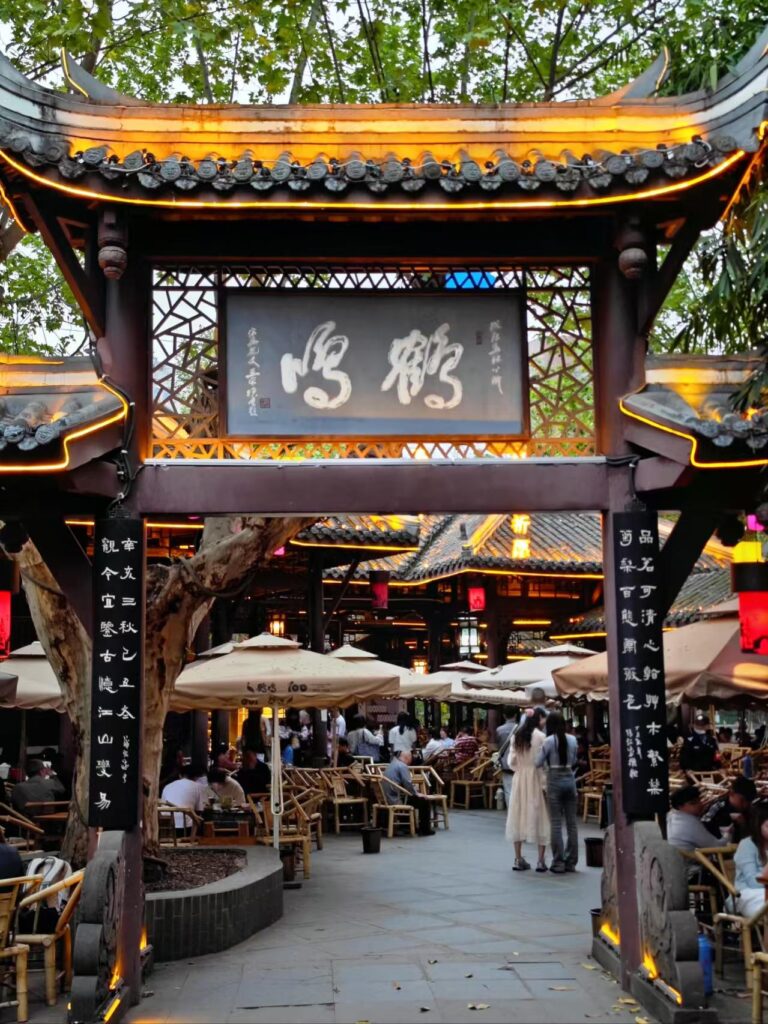
Sichuan is also celebrated for its tea culture, particularly in Chengdu. Traditional teahouses are scattered throughout the city, offering a tranquil escape and a taste of local life. Sampling jasmine or green tea accompanied by traditional snacks such as baozi or sweet rice cakes enhances your culinary journey. Engaging with locals in these teahouses provides cultural insights and a deeper connection to the region, aligning seamlessly with exploration tourism goals.
Culinary Festivals and Seasonal Events
Timing your visit to coincide with local festivals adds a unique dimension to Sichuan exploration tourism recommendations. Events such as the Chengdu International Food Festival or seasonal hotpot celebrations showcase regional specialties and provide opportunities to learn about food preparation techniques. Festivals often include street performances, markets, and cooking demonstrations, creating an immersive experience that blends food, culture, and entertainment.
Planning Your Culinary Adventure
When planning your trip, it’s important to balance culinary exploration with cultural and natural attractions. A typical itinerary might include a few days in Chengdu sampling local markets and restaurants, followed by excursions to Leshan, Mount Emei, and Jiuzhaigou Valley. Along the way, travelers should incorporate cooking classes, teahouse visits, and participation in local festivals to fully embrace the Sichuan experience. These activities form the foundation of comprehensive Sichuan exploration tourism recommendations.
Travelers should also consider local transportation and accommodation options. Chengdu offers well-connected public transport and a range of hotels catering to different budgets, while smaller towns may require more planning. Choosing accommodations near food streets or markets can enhance the culinary experience, allowing easy access to the flavors and aromas that define Sichuan.
Tips for an Authentic Experience
To maximize your Sichuan exploration tourism experience, it’s advisable to engage directly with locals. Asking for restaurant recommendations, learning simple phrases in Mandarin, or joining community events can transform a standard trip into an authentic adventure. Additionally, being open to trying unfamiliar dishes ensures that your journey remains true to the region’s rich culinary traditions.
Sichuan’s cuisine can be spicy and intense, so pacing yourself and understanding your tolerance levels is essential. Sampling small portions across multiple locations allows you to explore the full spectrum of flavors without feeling overwhelmed. Keeping these tips in mind guarantees a satisfying and memorable culinary journey.
Conclusion
Sichuan offers a perfect blend of culinary excellence, cultural richness, and natural beauty. Following these Sichuan exploration tourism recommendations allows travelers to immerse themselves in authentic food experiences while appreciating the province’s unique landscapes and traditions. From bustling markets and serene teahouses to spicy hotpots and local festivals, every moment in Sichuan promises flavor, discovery, and adventure. Embarking on this journey ensures not only a feast for the senses but also a deeper understanding of one of China’s most captivating regions.
By combining food, culture, and exploration, Sichuan becomes more than a destination—it transforms into an unforgettable adventure that satisfies the palate and enriches the traveler’s soul.