
Introduction
Wearable technology is evolving rapidly, changing the way people monitor their health, manage daily activities, and interact with digital devices. While smartwatches and fitness trackers have become familiar accessories, smart rings are emerging as a convenient alternative for people who prefer compact, lightweight technology. These small devices combine modern design with sensors and wireless connectivity, allowing users to access useful information without wearing a large screen on their wrists.
The future of smart rings looks promising as manufacturers continue to explore new ways to improve health tracking, battery efficiency, comfort, and digital connectivity. Companies such as buy colmi r09 are contributing to the growing interest in accessible smart ring technology by offering products designed around everyday convenience and modern lifestyles.
As consumer expectations change, smart rings are likely to become more sophisticated, offering improved data analysis and broader integration with smartphones and other connected devices. Understanding the emerging trends in this industry provides valuable insight into how wearable innovation may develop over the coming years.
Understanding the Growing Popularity of Smart Rings
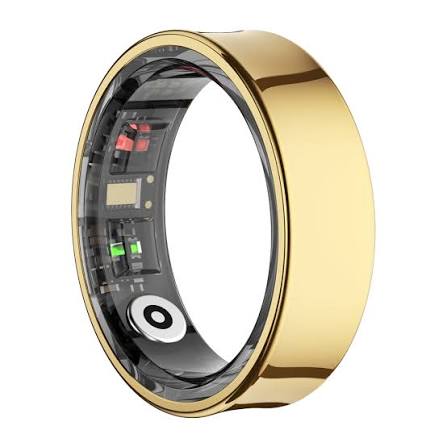
Smart rings are compact electronic devices worn on a finger. Depending on the model, they may include sensors that measure selected health and activity indicators, wireless communication features, and companion applications that display collected information.
Their popularity is partly connected to their discreet design. Unlike smartwatches, which usually feature visible displays, many smart rings operate quietly in the background. Users can review their information through a smartphone application rather than interacting with a screen throughout the day.
A More Convenient Wearable Experience
Convenience is one of the strongest advantages of smart rings. Their small size makes them suitable for people who want access to wearable technology without adding another large device to their daily routine.
A well-designed ring can be worn while working, walking, traveling, or relaxing. Some models are also designed to support sleep tracking, although comfort, battery life, water resistance, and individual preferences affect whether someone chooses to wear a ring overnight.
Brands such as Colmi help make the category more approachable for consumers interested in exploring smart rings. Product features vary by model, so buyers should review specifications carefully before choosing a device.
Minimalist Design Meets Modern Technology
Modern consumers often appreciate technology that combines functionality with an understated appearance. Smart rings address this preference by placing electronic components inside a small, wearable structure.
Manufacturers must balance appearance, durability, comfort, and sensor performance. Every design decision matters because a ring has limited internal space for its battery, processor, sensors, and wireless components.
Future designs may become thinner, lighter, and more adaptable to different preferences. Improved materials and manufacturing methods could also help create rings suitable for a wider range of everyday situations.
Advanced Health Monitoring Will Shape the Future
Health-related features are among the most important developments in smart ring technology. Many current models can collect selected measurements, while future generations may provide more consistent tracking and clearer explanations of personal trends.
Improved Heart Rate Monitoring
Heart rate monitoring is a widely recognized feature in wearable technology. Smart rings use optical sensors in some models to estimate heart rate by detecting changes in blood flow near the skin.
Future improvements could make these measurements more consistent during everyday activities. Better sensor placement, improved algorithms, and more efficient signal processing may help reduce errors caused by movement or an unsuitable fit.
However, performance depends on the particular device and conditions in which it is used. Smart ring measurements should not automatically be treated as medical-grade results, and users should follow professional medical advice when they have health concerns.
More Detailed Sleep Insights
Sleep tracking is another important area of innovation. Certain smart rings estimate sleep duration, movement, and different sleep stages using combinations of sensor readings and algorithms.
Future systems may become better at presenting understandable summaries of sleep patterns. Rather than simply showing hours slept, companion applications could highlight changes in bedtime consistency, nighttime movement, and estimated recovery patterns.
These insights may help users recognize habits that affect their rest. Nevertheless, sleep-stage estimates are not equivalent to a clinical sleep assessment, and results can differ between devices.
Stress and Recovery Tracking
Some wearable platforms use heart rate patterns, heart rate variability, activity levels, and sleep information to estimate recovery or physiological stress.
Smart rings may increasingly combine these measurements into personalized daily summaries. For example, an application could highlight that recent sleep patterns and activity levels differ from a user’s usual baseline.
Such information can support general wellness awareness, but it cannot reliably identify every cause of stress or diagnose a medical condition. Users should interpret these indicators as estimates rather than definitive judgments about their health.
Artificial Intelligence Will Make Wearable Data More Useful
Collecting information is only one part of wearable innovation. The next challenge is helping users understand what their measurements mean and how they relate to daily habits.
Artificial intelligence could play an important role in addressing this challenge.
Personalized Recommendations
Future smart ring applications may use machine learning to identify patterns across activity, sleep, and other available measurements. Instead of displaying isolated numbers, they could provide summaries tailored to an individual’s typical routine.
For example, an application might identify a relationship between irregular sleep schedules and changes in daytime activity. It could then suggest reviewing bedtime habits or maintaining a more consistent routine.
These recommendations should remain transparent, practical, and appropriately cautious. AI-generated insights are only as reliable as the underlying measurements and models, so applications should clearly communicate uncertainty.
Predictive Wellness Insights
As wearable algorithms improve, applications may become better at identifying deviations from a user’s normal patterns. A device could highlight unusual changes in resting heart rate or sleep duration and encourage the user to consider relevant circumstances.
Such features should not be confused with reliable disease prediction. Recognizing a pattern does not establish its cause, and unexpected readings may result from ordinary changes, sensor limitations, or device fit.
The most useful future systems will combine thoughtful analysis with clear explanations, privacy protections, and appropriate guidance about when professional advice may be necessary.
Longer Battery Life and More Efficient Components
Battery performance remains a significant consideration for smart ring manufacturers. Because these devices are small, their batteries cannot generally match the capacity of larger wearable products.
Users also expect wearables to operate reliably without requiring constant charging.
Energy-Efficient Sensors and Processors
Future smart rings may benefit from processors that perform common tasks with less energy. Sensor improvements could also reduce unnecessary power consumption while preserving useful measurements.
Software optimization will be equally important. More efficient algorithms and carefully managed sampling schedules could help devices balance battery life with the amount of information collected.
For consumers, these improvements may mean fewer interruptions and a more convenient daily experience. Actual battery performance will continue to vary according to the model, features enabled, usage patterns, and battery condition.
Smarter Charging Solutions
Charging accessories are another area where manufacturers can improve the user experience. Compact charging cases and dedicated docks help make small wearables easier to maintain.
Future accessories may focus on portability, improved charging efficiency, and clearer battery-status information. However, consumers should not assume that every upcoming ring will support wireless charging or any particular charging standard.
When comparing options from Colmi or other manufacturers, checking the charging method and expected battery life is essential.
Contactless Payments and Digital Access
Smart rings may eventually become more common tools for interacting with connected environments. Their small size and ability to remain on a finger make them attractive for certain hands-free activities.
The Development of Payment Features
Some smart rings on the market support contactless payments, although this capability is not universal. Payment-enabled models generally require compatible hardware, supported financial services, and regional availability.
Future products could make payment experiences more convenient by combining secure authentication with broader merchant and banking support.
However, the adoption of payment technology depends on financial partnerships, security requirements, and local regulations. Buyers should verify whether a ring supports their preferred payment service before purchasing it.
Smart Home and Workplace Integration
Smart rings could also provide convenient ways to interact with compatible access systems and connected environments.
Depending on the technology included, a ring might support identification, access control, or specific smartphone interactions. Potential applications include offices, hotels, gyms, and other facilities that use compatible systems.
Greater adoption will require interoperability between manufacturers and service providers. A ring that works with one access system may not work with another, making compatibility an important part of future development.
The Role of Colmi in the Smart Ring Market
As interest in compact wearables increases, consumers are exploring products across different price ranges and feature categories. Colmi is one of the brands associated with the smart ring market, giving consumers another option when comparing accessible wearable devices.
Making Wearable Technology More Accessible
Price can influence whether consumers are willing to experiment with a new technology. More accessible products can introduce smart rings to people who do not want to invest heavily in a premium wearable.
For many buyers, the first priority is understanding which features are genuinely useful. Basic activity information, selected health measurements, smartphone compatibility, and a comfortable design may matter more than a long list of advanced functions.
Colmi products can be evaluated according to these practical considerations, with attention to the specifications of each individual model rather than assumptions about the entire brand.
Why Product Research Matters
The smart ring category includes devices with different sensors, applications, battery capacities, materials, and software capabilities. Similar-looking products may deliver noticeably different experiences.
Before choosing a Colmi smart ring, consumers should review the official product specifications, supported smartphone operating systems, water-resistance rating, charging requirements, and available application features.
They should also investigate how the manufacturer handles software updates and personal data. These details help buyers understand both the benefits and limitations of a particular device.
Better Materials and More Comfortable Designs
Comfort will remain central to the development of smart rings. Unlike devices that can be removed easily throughout the day, rings often need to remain comfortable during typing, exercise, sleep, and other activities.
Lightweight and Durable Construction
Manufacturers may continue exploring materials that balance low weight with durability. Improved surface treatments and more resilient construction could help protect devices from ordinary wear.
The ideal design must also account for skin comfort, moisture exposure, and repeated contact with everyday objects. No material is perfect for every user, so individual preferences and sensitivities remain relevant.
More Accurate Ring Sizing
A suitable fit is important for both comfort and sensor performance. A ring that is too loose may move around the finger, while one that is too tight may become uncomfortable as finger size changes.
Future sizing systems could help consumers choose a more appropriate fit before purchasing. Clear measurement guidance and better size options would reduce uncertainty for online shoppers.
Because finger size can vary during the day, consumers should follow the manufacturer’s sizing recommendations and avoid choosing a ring that restricts circulation or causes discomfort.
Privacy and Data Security Will Become Essential
Smart rings may collect personal information about activity, sleep, and selected physiological measurements. As these devices become more sophisticated, protecting this information will be increasingly important.
Stronger Data Protection
Manufacturers should use appropriate security measures to protect information stored on devices and transmitted to companion applications. Depending on the system, these measures may include encryption, secure authentication, and controlled account access.
Consumers should understand what information an application collects, where it is stored, and whether it is shared with third parties.
Clear privacy policies and accessible account controls can help users make informed decisions about the information they choose to provide.
Giving Users Control Over Personal Information
Future wearable platforms should make privacy settings easier to understand. Users benefit when they can review permissions, manage data-sharing preferences, and delete information when appropriate.
Responsible design also requires collecting only the information needed to provide a useful service. More data does not automatically create a better product.
For brands such as Colmi and others in the industry, transparent communication about data handling can help build consumer confidence as smart rings become more widely adopted.
Integration With Smartphones and Other Wearables
Smart rings are unlikely to replace every other wearable device. Instead, they may become part of a connected ecosystem that includes smartphones, smartwatches, tablets, and home devices.
A Connected Digital Experience
A smart ring can collect information while a smartphone displays detailed reports and manages settings. This division of responsibilities allows the ring to remain compact while the phone provides a richer interface.
Future integrations may make it easier to combine information from different devices, giving users a more consistent overview of their activity and routines.
However, effective integration requires compatible software, reliable synchronization, and clear handling of conflicting measurements from different sensors.
Complementing Smartwatches
Smartwatches are useful for notifications, navigation, interactive applications, and on-screen information. Smart rings can offer a smaller alternative for selected tracking functions.
Some consumers may prefer wearing both devices, using the ring for discreet measurements and the watch for communication or exercise displays. Others may choose a ring because they want fewer visible screens in their daily lives.
The most suitable option depends on individual priorities, including comfort, budget, battery expectations, and the features required.
Challenges Facing the Smart Ring Industry
Despite its potential, the smart ring market faces several challenges that manufacturers must address before the technology can reach broader adoption.
Sensor Accuracy and Reliability
Small devices have limited space for sensors, batteries, and other components. Measurements may also be affected by movement, skin contact, temperature, and fit.
Improving reliability will require continued hardware development, careful testing, and algorithms that account for measurement limitations.
Competition and Consumer Expectations
Smart rings compete with smartwatches, fitness trackers, and smartphone applications. Consumers will expect clear advantages rather than simply another device to charge and maintain.
Manufacturers must demonstrate that their products provide meaningful convenience, dependable software, and features that justify the purchase price.
Regulation and Responsible Marketing
As wearable products introduce more health-related functions, manufacturers must be careful about how they describe their capabilities.
Wellness tracking should not be presented as a substitute for professional diagnosis or treatment. Products making medical claims may also face additional regulatory requirements, depending on the feature and market.
Clear communication will be important for protecting consumers and maintaining trust in the industry.
What the Future of Smart Rings May Look Like
Over the coming years, smart rings may become smaller, more energy-efficient, and more closely integrated with digital services. Progress will likely occur through a combination of better sensors, improved applications, more comfortable materials, and stronger privacy protections.
Artificial intelligence could make wearable information easier to understand, while broader compatibility may expand the role of rings in payments, access systems, and connected environments.
At the same time, not every possible feature will become standard. Cost, technical limitations, regional support, and consumer demand will influence which innovations reach everyday products.
Brands such as Colmi may contribute to this development by offering products that help consumers explore smart ring technology at different price points. Their long-term success, like that of other manufacturers, will depend on product quality, useful features, software support, and consumer confidence.
Conclusion
The future of smart rings represents an important direction in wearable innovation. By combining compact designs with health tracking, wireless connectivity, and increasingly intelligent software, these devices offer a different approach to everyday technology.
Emerging trends such as AI-assisted insights, more efficient batteries, contactless interactions, improved materials, and stronger privacy controls could make smart rings more useful in the years ahead.
Nevertheless, their value will depend on practical performance rather than technological promises alone. Consumers should consider accuracy, comfort, compatibility, battery life, and data protection when comparing available products.
Colmi and other smart ring manufacturers operate in a growing market where accessibility and everyday convenience can make a meaningful difference. As the technology develops, smart rings may become an increasingly familiar part of connected lifestyles, helping people access useful digital information through a device designed to remain simple, compact, and comfortable.