
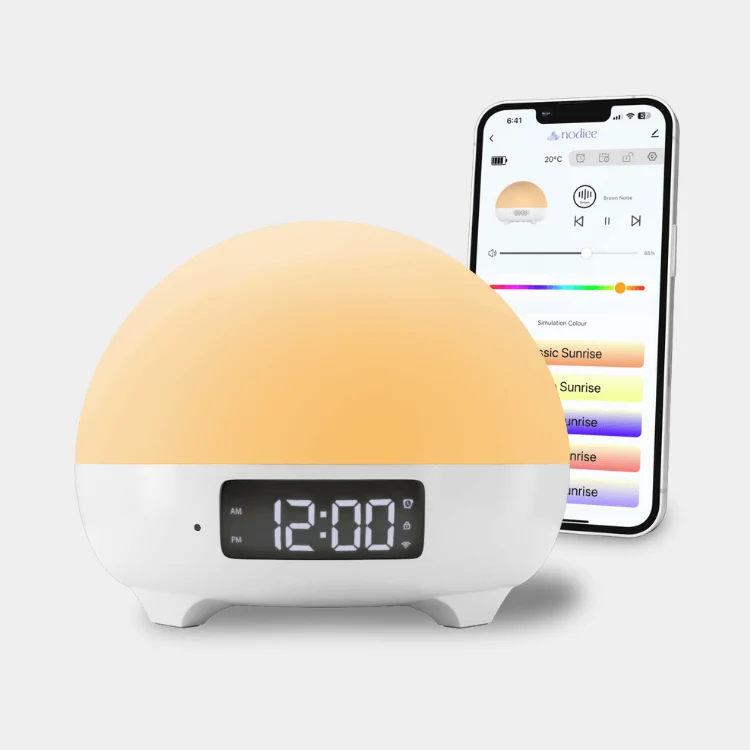
A well-organized bedroom is more than a room where everything has a designated place. It is a space designed to support relaxation, comfort, and an efficient daily routine. From neatly arranged furniture to carefully selected lighting, small details can make a noticeable difference in how the room feels and functions. One increasingly useful addition is a smart sleep clock, which combines timekeeping with practical features designed around nighttime and morning routines.
Unlike a traditional alarm clock that simply displays the time and rings at a set hour, a smart sleep clock can become part of a broader bedroom organization system. Its compact design, customizable functions, and ability to support consistent routines make it useful for people who want to keep their nightstand less cluttered while making everyday habits easier to manage.
Creating a Cleaner Nightstand
The nightstand is often one of the most cluttered areas in a bedroom. Phones, chargers, watches, books, glasses, lamps, and alarm clocks can quickly take up valuable space. A smart sleep clock can help simplify this area by combining several useful functions into one compact device.
Instead of relying on multiple objects for timekeeping, alarms, ambient features, or reminders, users can potentially place one multifunctional device beside the bed. This creates a cleaner visual appearance and makes the nightstand feel more intentional.
Organization is not only about putting objects away. It is also about reducing unnecessary items. When one device can perform several everyday tasks, there may be less need for additional accessories around the sleeping area.
Supporting a Consistent Bedtime Routine
A more organized bedroom can contribute to a more organized routine. Going to bed and waking up at consistent times can make daily schedules easier to manage, while a smart sleep clock can provide helpful reminders and settings for maintaining those habits.
Many smart sleep clocks are designed with features that focus specifically on sleep routines. Depending on the model, users may have access to programmable alarms, sleep-related reminders, dimmable displays, or gradual wake-up functions.
Having these controls in a dedicated bedside device can make nighttime preparation more structured. Instead of checking a bright smartphone screen to determine the time or set an alarm, users can use the clock directly and keep their phones farther away from the sleeping area.
Reducing Visual Clutter
Visual clutter can make even a relatively tidy bedroom feel disorganized. A nightstand filled with bright displays, cables, and electronic accessories can distract from the calm atmosphere many people want before going to sleep.
A smart sleep clock can be selected to complement the room rather than compete with it. Models with adjustable brightness allow the display to be visible when needed without becoming unnecessarily bright during the night. Some designs also use simple displays and compact forms that blend easily with modern bedroom furniture.
Cable management can also contribute to a cleaner setup. Keeping charging cables organized and placing the clock in a fixed location creates a predictable arrangement. Over time, this simple placement can become part of the room’s organization.
Making Mornings More Structured
Bedroom organization should support the morning as well as the evening. An effective morning routine begins with knowing when to wake up and having a clear sequence of tasks afterward.
A smart sleep clock can help establish a consistent wake-up schedule. Depending on its features, it may provide different alarm sounds, gradual wake-up options, or other notifications that make waking up feel more structured.
Having a dedicated alarm device can also reduce the temptation to immediately interact with a smartphone. When the phone is used as both an alarm and an entertainment device, checking messages or social media can easily turn into an extended distraction. A separate bedside clock provides a simple alternative for managing wake-up time.
Choosing a Design That Matches the Bedroom
Organization is closely connected to visual consistency. A device that looks out of place can make a carefully designed bedroom feel less cohesive.
When choosing a smart sleep clock, consider its size, shape, display, and overall appearance. A minimalist bedroom may benefit from a simple clock with a clean interface, while a more expressive space might suit a device with customizable visual elements.
The clock should also fit comfortably on the intended surface. A large device can make a small nightstand feel crowded, while an extremely small display may be difficult to read from bed. Finding the right balance helps the device become a functional part of the room without creating additional clutter.
Managing Light More Effectively
Lighting has a major influence on the atmosphere of a bedroom. Bright electronic displays can be distracting at night, especially when placed directly beside the bed.
A smart sleep clock with adjustable display brightness can provide better control over nighttime illumination. Users can often choose a brightness level that allows the time to be checked without turning the room into a brightly lit space.
Some models may also offer different display modes or nighttime settings. These options can help the clock remain useful while maintaining the darker environment that many people prefer during sleep.
The goal is not simply to have more technology in the bedroom. It is to use technology thoughtfully so that it supports the room’s purpose.
Keeping Technology in Its Place
A bedroom can quickly become overwhelmed by technology if every device has a separate role. Phones, tablets, smart speakers, watches, chargers, and other electronics can create both physical and visual clutter.
A smart sleep clock provides an opportunity to assign specific technology to specific tasks. The clock can handle timekeeping and alarms while other devices remain elsewhere.
This approach can make the bedroom feel more purposeful. Rather than treating the nightstand as a general charging station, it becomes a dedicated area for sleep-related functions.
Improving Everyday Convenience
Small conveniences can have a surprisingly large impact on bedroom organization. A clock that is easy to read, simple to operate, and positioned within reach can remove unnecessary steps from daily routines.
For example, checking the time in the middle of the night does not require searching for a phone. Setting an alarm does not necessarily require opening an app. Adjusting a display may be possible directly through the clock’s controls.
These small improvements make the bedroom easier to use while reducing the number of objects and actions involved in basic routines.
Combining Function With Personal Style
An organized bedroom does not have to look plain. Personal style remains important, and modern smart devices can become part of the room’s decorative character.
A carefully selected smart sleep clock can complement bedding, furniture, lamps, wall colors, and other accessories. Some devices offer customizable displays or visual effects, allowing users to create an appearance that matches their preferences.
The key is intentional placement. Instead of adding the clock wherever there is available space, consider how it fits into the overall nightstand arrangement. Positioning it alongside only the items used regularly can maintain both functionality and visual balance.
Building a More Organized Sleep Environment
The biggest benefit of a smart sleep clock may come from how it fits into a broader organizational strategy. The device itself cannot organize an entire bedroom, but it can support habits that make the space easier to manage.
A practical setup might include keeping the nightstand limited to essential items, placing the clock in a consistent position, organizing charging cables, reducing unnecessary lighting, and establishing regular bedtime and wake-up routines.
When these habits work together, the bedroom becomes more than a visually tidy space. It becomes an environment designed around predictable, convenient routines.
Final Thoughts
A smart sleep clock can be a practical addition to a bedroom that prioritizes organization, simplicity, and everyday convenience. By combining timekeeping with sleep-oriented features, it can reduce the need for multiple bedside devices while helping create more structured nighttime and morning routines.
The best setup depends on the individual’s needs, room size, personal style, and preferred routine. Whether the goal is a cleaner nightstand, less dependence on a smartphone, better control over nighttime lighting, or a more consistent wake-up schedule, choosing the right smart sleep clock can support a more organized bedroom.
Ultimately, effective bedroom organization comes from thoughtful choices rather than simply adding more technology. When a device has a clear purpose and fits naturally into the room, it can make everyday life simpler while preserving the calm atmosphere that a bedroom should provide.