
Online streaming has become a popular way to share knowledge, entertain audiences, build communities, and express creativity. From gaming and live chatting to educational tutorials, music, and lifestyle casino hot wallets content, streaming offers opportunities for people with different interests. However, becoming a successful streamer requires more than turning on a camera and going live. Beginners need to develop useful skills, choose suitable equipment, create engaging content, and understand how to connect with viewers.
If you want to start your streaming journey, learning the basics can help you avoid common mistakes and build a strong foundation. The following tips will guide you through the essential steps to becoming an online streamer.
1. Choose a Streaming Niche That Matches Your Interests
The first step toward becoming an online streamer is choosing a niche. Your niche determines the type of content you create and the audience you want to attract. Popular categories include gaming, technology, education, cooking, entertainment, music, and everyday conversations.
Choose a topic that genuinely interests you. Streaming regularly requires time, energy, and creativity, so working with a subject you enjoy makes the process more rewarding. For example, someone who enjoys video games might stream gameplay and discuss strategies, while a technology enthusiast could demonstrate useful software or review gadgets.
You do not need to cover every popular topic. Instead, focus on a clear theme that helps viewers understand what to expect from your channel. As you gain experience, you can experiment with different formats and discover which content attracts the most interest.
2. Select the Right Streaming Platform
Choosing the right platform is another important decision for beginners. Different platforms offer different audiences, features, and content opportunities. Some are particularly popular for gaming, while others support live conversations, educational sessions, short videos, or general entertainment.
Before choosing a platform, consider your content style, target audience, and preferred streaming format. Research the platform’s community guidelines, age requirements, monetization policies, and available creator tools.
It is also helpful to study established creators in your niche. Observe how they organize their broadcasts, communicate with viewers, and present their content. Use these observations to develop your own approach rather than copying someone else’s personality or style.
Start with one main platform so you can learn its features and establish a consistent presence before expanding elsewhere.
3. Start With Basic and Reliable Equipment
New streamers sometimes believe they need expensive equipment to produce professional broadcasts. In reality, you can begin with a computer, smartphone, or gaming console, depending on your chosen content and platform.
A reliable internet connection is essential because unstable connectivity can cause interruptions, poor video quality, and audio delays. Test your connection before streaming and use a wired connection when practical.
Your microphone deserves particular attention. Viewers may tolerate basic video quality, but unclear or distracting audio can make a broadcast difficult to enjoy. An affordable USB microphone or a good headset can be sufficient when starting.
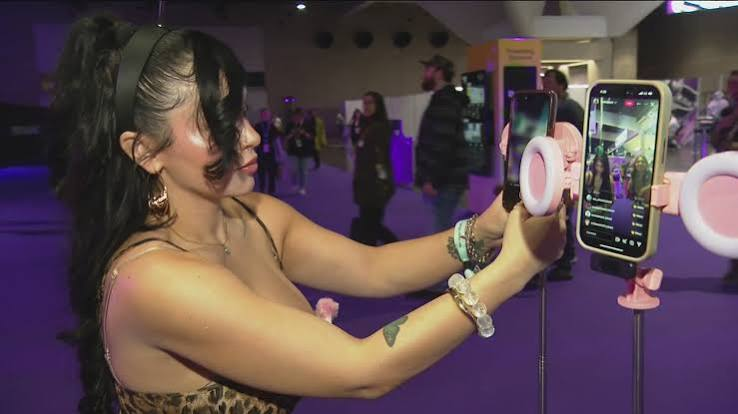
If your content benefits from video, use a webcam or smartphone camera that provides clear images. Good lighting also helps improve your appearance on screen. Natural light from a window or a simple desk lamp may be enough.
Upgrade your equipment gradually as your needs grow. Prioritize reliability and sound quality instead of purchasing unnecessary accessories.
4. Learn How to Use Streaming Software
Streaming software helps you manage your broadcast, combine audio and video sources, display overlays, and switch between scenes. Beginners can explore tools such as OBS Studio, which provides options for organizing and customizing live streams.
Spend time learning the software before broadcasting to a real audience. Practice adding your microphone, camera, screen capture, and other sources. Create a simple starting screen and a scene for your main content.
Test your settings to ensure that your video resolution, frame rate, and audio levels work well with your internet connection and computer performance. Complicated layouts are not necessary at the beginning. A clean, easy-to-follow presentation often works better than a screen filled with unnecessary graphics.
Record a short practice session and review it afterward. This allows you to identify technical problems before they affect a live broadcast.
5. Create a Consistent Streaming Schedule
Consistency helps viewers understand when they can expect new content. You do not need to stream every day to make progress. Instead, create a realistic schedule that fits your school, work, family responsibilities, and personal time.
For example, you might stream two or three times each week for a manageable period. Choose days and times that you can maintain without becoming overwhelmed.
Announce your schedule on your channel or social media profiles so interested viewers know when to join. If your plans change, communicate the update clearly.
A consistent routine also helps you improve your own skills. Regular practice can strengthen your speaking ability, technical knowledge, and confidence in front of an audience. Remember that quality and sustainability are more valuable than streaming for long hours without a clear purpose.
6. Engage With Your Audience Naturally
Successful streaming is not only about presenting content. It is also about creating an enjoyable environment where viewers feel welcome.
Greet people when appropriate, respond to relevant questions, and acknowledge thoughtful comments. Ask viewers for opinions or suggestions that relate to your content. These small interactions can turn a one-way broadcast into a shared experience.
If your audience is initially small, do not become discouraged by quiet chat rooms. Practice explaining what you are doing, sharing your thoughts, and introducing topics naturally. This makes your stream more interesting for people who discover it later through recordings or clips.
Establish clear community rules from the beginning. Treat viewers respectfully, discourage harassment, and use available moderation tools to maintain a friendly environment.
7. Focus on Content Quality Rather Than Expensive Effects
Attracting viewers depends largely on the value and entertainment your content provides. High-quality streams do not necessarily require elaborate backgrounds, animated graphics, or complicated transitions.
Think about what makes your broadcast worth watching. You could teach a useful skill, share an entertaining experience, explain a difficult concept, or invite viewers into an interesting discussion.
Prepare a few talking points before going live. For a gaming stream, you might plan a challenge or discuss strategies. For an educational broadcast, you could organize the session around a specific question. Preparation helps reduce awkward pauses and keeps your content focused.
Develop a recognizable style over time. Your sense of humor, communication skills, knowledge, and perspective can distinguish your channel from others covering similar topics.
8. Promote Your Streams Responsibly
Creating good content is important, but people also need opportunities to discover it. Promote your broadcasts through suitable social media platforms and relevant online communities, following their rules.
Short clips can be an effective way to introduce new viewers to your content. Highlight an interesting explanation, funny moment, useful tip, or memorable discussion. Include clear information about your channel so interested people can find the full stream.
Use relevant titles and descriptions that accurately represent your broadcast. Avoid misleading claims, excessive self-promotion, or repeatedly posting links where they are not welcome.
You can also collaborate with creators who share related interests and audiences. Respectful collaborations may introduce your content to people who would not otherwise discover it.
9. Review Your Performance and Improve Gradually
Every stream provides an opportunity to learn. After broadcasting, review your recording when possible and identify what worked well and what could improve.
Pay attention to audio clarity, technical interruptions, pacing, and audience engagement. Platform analytics may also help you understand viewing patterns, returning viewers, and which topics generate interest.
Avoid judging your progress using a single broadcast. Audience growth often takes time, and results can vary considerably between streams.
Set small, achievable goals, such as improving microphone quality, creating better titles, speaking more confidently, or publishing one useful clip each week. Regular improvements can produce better results than trying to change everything at once.
10. Protect Your Privacy and Follow Platform Rules
Online safety is an essential part of streaming, especially for beginners. Avoid revealing personal information such as your home address, private phone number, school details, daily travel routines, or sensitive account information.
Review your camera background and screen before going live to ensure that private documents, notifications, and identifying details are not visible. Use strong passwords and enable two-factor authentication where available.
Learn the platform’s copyright policies before using music, videos, or other third-party material. Content that seems harmless may still violate copyright rules. Use original material or resources that you have permission to include.
Set boundaries for interactions with viewers, and use blocking and reporting features when necessary. Protecting your privacy and well-being is more important than satisfying every audience request.
Conclusion
Becoming an online streamer can be an exciting journey that combines creativity, communication, and technology. Beginners can establish a strong foundation by choosing a suitable niche, selecting the right platform, learning essential equipment and software, and developing a consistent schedule.
Audience engagement, thoughtful promotion, and regular performance reviews can help you improve over time. Just as importantly, protecting your privacy and maintaining healthy boundaries will support a safer streaming experience.
You do not need perfect equipment or a large audience to begin. Start with the resources you already have, practice consistently, and focus on providing content that viewers genuinely enjoy. With patience, preparation, and a willingness to learn, you can develop your own streaming style and build a community around your interests.