
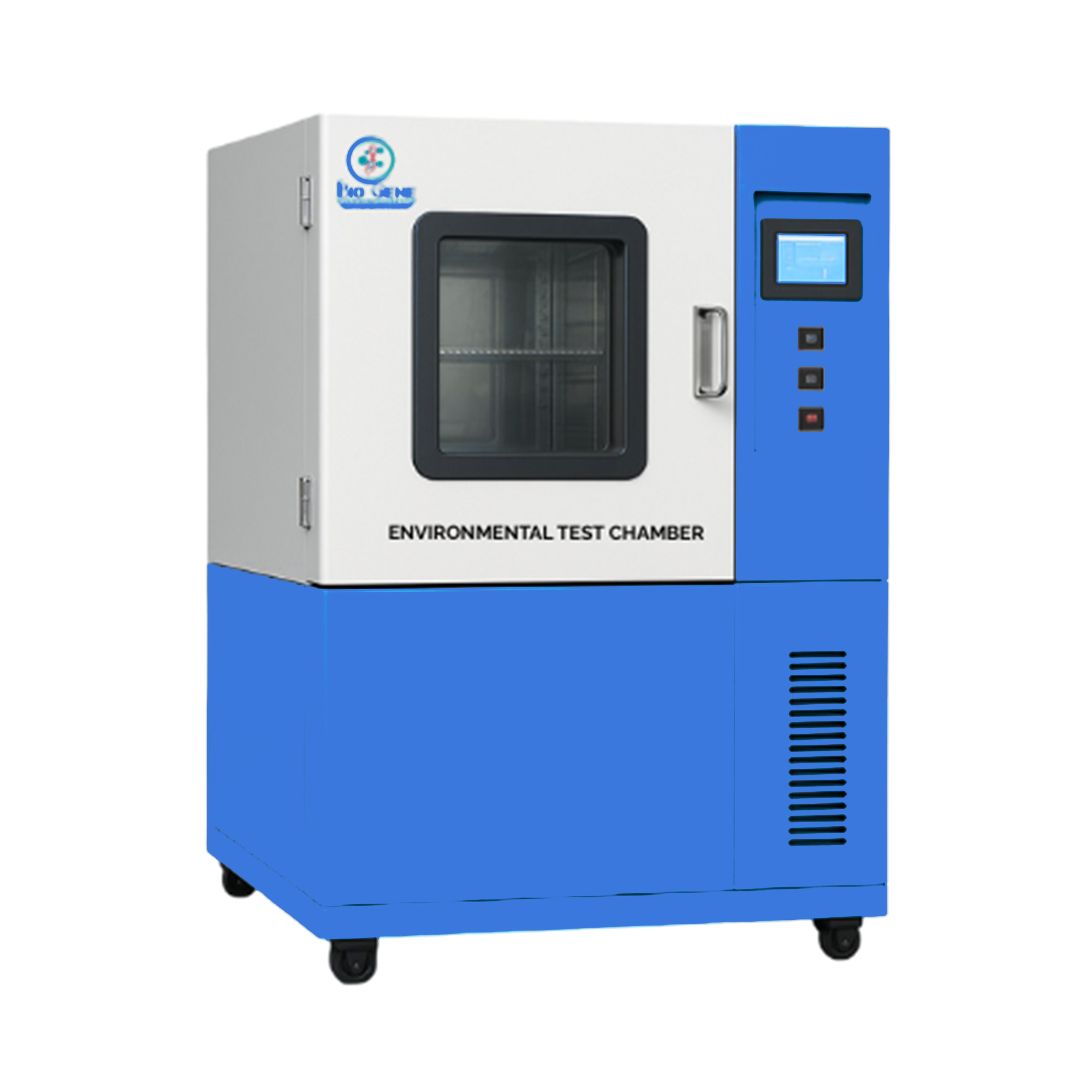
Altitude simulation is an important part of product testing for industries that depend on reliable performance under changing atmospheric conditions. Aircraft components, electronics, automotive systems, packaging, medical equipment, and other products may experience significant pressure changes during transportation or operation at high elevations. An altitude test chamber provides a controlled environment where these conditions can be reproduced safely and repeatedly.
Understanding vacuum and pressure conditions inside an altitude test chamber is essential for creating accurate test procedures. By controlling pressure, temperature, and sometimes humidity, engineers can evaluate how a product responds when atmospheric conditions differ from those at sea level.
What Is an Altitude Test Chamber?
An altitude test chamber is a specialized environmental testing system designed to simulate atmospheric conditions found at different elevations. Unlike ordinary environmental chambers that primarily control temperature and humidity, an altitude chamber can reduce air pressure to reproduce high-altitude environments.
The chamber uses a sealed test space connected to a vacuum system. Air is removed from the chamber to lower internal pressure. Sensors continuously monitor pressure, while automated controls help maintain the desired test conditions.
Depending on the design, an altitude test chamber may also provide temperature control. This combination allows manufacturers to examine products under conditions that more closely resemble real operating environments.
Understanding Pressure at Different Altitudes
Atmospheric pressure decreases as altitude increases. At sea level, standard atmospheric pressure is approximately 101.3 kilopascals. As elevation rises, there is less air above the test environment, resulting in lower pressure.
For testing purposes, engineers can use an altitude chamber to reproduce these lower-pressure conditions without physically moving the product to a high-altitude location.
Pressure simulation can be useful for evaluating:
- Electrical equipment
- Aircraft and aerospace components
- Automotive electronics
- Batteries
- Sensors and instruments
- Packaging systems
- Medical devices
- Consumer products
- Mechanical assemblies
The specific pressure level and duration depend on the product, industry requirements, and applicable testing standards.
How Vacuum Conditions Are Created
Vacuum conditions occur when the pressure inside a sealed chamber is reduced below normal atmospheric pressure. In an altitude test chamber, a vacuum pump or similar pressure-control system removes air from the test space.
The system typically includes valves, pressure sensors, controllers, and pumping equipment. When the desired pressure is entered into the control system, the chamber gradually reduces pressure until the target condition is reached.
The rate of pressure reduction can also be important. A rapid pressure change may produce different effects from a gradual reduction. Therefore, test programs may specify both the target pressure and the rate at which that pressure must be achieved.
Absolute Pressure vs. Gauge Pressure
One important concept in altitude testing is the difference between absolute pressure and gauge pressure.
Absolute pressure is measured relative to a perfect vacuum. Gauge pressure is measured relative to surrounding atmospheric pressure. Since altitude simulation generally focuses on the actual atmospheric environment surrounding a product, absolute pressure is often particularly important.
Accurate pressure measurement helps ensure that test results can be repeated and compared between laboratories.
Effects of Reduced Pressure on Products
Lower pressure can affect products in several ways. One common concern is the expansion of trapped gases. Components containing sealed air spaces may experience increased mechanical stress when external pressure decreases.
Packaging is another area where reduced pressure can be significant. Sealed packages may deform, leak, or experience changes in structural integrity when exposed to simulated altitude.
Electronic products can also be evaluated under reduced-pressure conditions. Lower air density reduces the effectiveness of natural convection, potentially influencing heat transfer and operating temperatures.
Mechanical and electrical systems may therefore behave differently at altitude even when the temperature remains unchanged.
Pressure and Temperature Interaction
Pressure does not always act independently from temperature. At high altitude, products may encounter both reduced atmospheric pressure and lower temperatures. For this reason, many advanced test programs combine pressure and temperature control.
An altitude test chamber can be programmed to reproduce a sequence of environmental conditions. For example, a product might first be tested at normal atmospheric pressure, followed by reduced pressure and a lower temperature.
Combining environmental variables can provide a more realistic assessment of product performance than testing each condition separately.
Maintaining Stable Chamber Conditions
Once the desired vacuum level has been reached, maintaining stable pressure is critical. Small pressure fluctuations may affect test repeatability, particularly during sensitive qualification procedures.
Modern altitude chambers use pressure sensors and automated control systems to monitor internal conditions continuously. If pressure moves away from the programmed set point, the system can adjust valves or pumping activity.
Chamber sealing is equally important. Door gaskets, access ports, viewing windows, and connections must be designed to minimize unwanted air leakage. A small leak can make it difficult to maintain a low-pressure condition and may increase the workload on the vacuum system.
Safety Considerations During Pressure Testing
Pressure testing involves mechanical forces that should not be underestimated. The chamber must be designed to withstand the pressure difference between its interior and the surrounding environment.
Properly engineered doors, seals, windows, fittings, and structural components are essential. Safety interlocks can also prevent the chamber from being opened while unsafe pressure conditions exist.
Operators should follow the manufacturer’s procedures and applicable safety standards when performing vacuum and altitude tests. Regular inspection of seals, sensors, valves, and vacuum equipment can help maintain reliable operation.
Selecting Appropriate Test Conditions
The correct pressure condition depends on the purpose of the test. A product intended for operation at moderate elevation may require a different pressure profile from equipment designed for aircraft or aerospace applications.
Engineers should establish the required altitude equivalent, pressure level, temperature, exposure duration, and pressure-transition rate before beginning testing.
The test plan should also define acceptable performance limits. Measuring electrical operation, physical deformation, leakage, temperature changes, or mechanical performance during and after the test can provide useful information about product reliability.
Calibration and Measurement Accuracy
Reliable altitude testing depends on accurate measurement. Pressure sensors should be calibrated regularly to ensure that the displayed values accurately represent the conditions inside the chamber.
Temperature sensors and other monitoring equipment should also be checked according to an appropriate calibration schedule. Proper calibration supports repeatable testing and helps laboratories compare results over time.
Data logging is another valuable feature. Recording pressure, temperature, and other parameters throughout the test provides a permanent record that can be reviewed when evaluating product performance.
Applications of Altitude Testing
An altitude test chamber can support product development, quality control, design verification, and certification testing. Aerospace manufacturers may use altitude simulation to evaluate components exposed to high elevations. Electronics manufacturers can examine cooling behavior and operational stability under reduced pressure.
Automotive and transportation companies may use altitude conditions to evaluate equipment intended for different geographic environments. Packaging manufacturers can test sealed products for transportation and storage at elevated locations.
These applications demonstrate why controlled pressure simulation is valuable across many industries.
Conclusion
Vacuum and pressure control are fundamental aspects of altitude simulation. By reducing atmospheric pressure in a controlled environment, an altitude test chamber allows engineers to reproduce high-altitude conditions without relying on natural locations.
Understanding absolute pressure, vacuum generation, pressure stability, temperature interaction, sealing, safety, and measurement accuracy helps create dependable test procedures. When properly configured and maintained, altitude testing can reveal potential product weaknesses and provide valuable information for improving reliability.
As products become more sophisticated and are expected to operate across increasingly diverse environments, controlled altitude simulation remains an important tool for evaluating performance under reduced atmospheric pressure.