
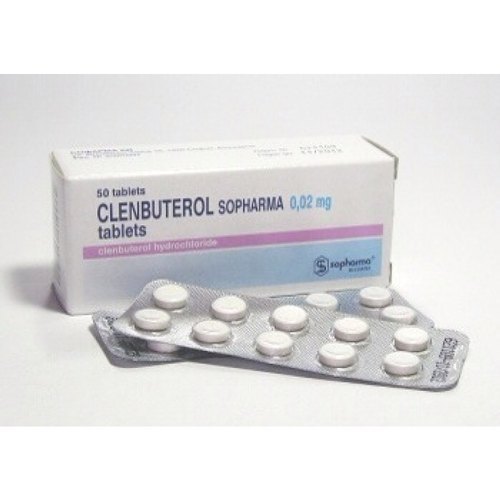
Researching any medication or performance-enhancing substance requires more than comparing product names, prices, or claims made online. This is especially important when the substance has significant safety concerns and may not be approved for human use in some countries. Anyone researching a clenbuterol tablet should approach available information carefully, understand the potential risks, and distinguish reliable medical information from promotional content.
Clenbuterol is a compound with stimulant and bronchodilator properties that has been used in veterinary medicine in certain countries. Although it is sometimes discussed online in connection with weight loss, bodybuilding, and athletic performance, its use can involve significant cardiovascular and other health risks. Understanding those concerns is an important part of researching the subject responsibly.
Understand What Clenbuterol Is
The first step in researching a clenbuterol tablet is understanding what the substance actually does. Clenbuterol is commonly described as a beta-2 adrenergic receptor agonist. Its effects can include stimulation of the nervous and cardiovascular systems.
It is important not to confuse online discussions with established medical approval. Regulatory status varies by country, and a substance being discussed widely on fitness forums does not mean it is an approved or appropriate treatment for weight management.
Before considering any medication or compound, researchers should check information from recognized medical institutions, regulatory agencies, pharmacists, and qualified healthcare professionals.
Look Beyond Marketing Claims
Online marketplaces and social media frequently present substances using attractive claims. A clenbuterol tablet may be advertised with statements about rapid fat loss, increased energy, improved athletic performance, or enhanced metabolism. Such claims should not automatically be treated as evidence.
Marketing material is designed to encourage interest in a product, while reliable medical information focuses on evidence, safety, limitations, and appropriate use.
When evaluating claims, look for supporting evidence from reputable medical or scientific sources. A statement repeated across several websites is not necessarily more trustworthy simply because it appears frequently. The quality of the original evidence matters far more than the number of websites repeating the claim.
Check Regulatory Information
Regulatory status is another important consideration. Before researching any clenbuterol tablet product, determine how clenbuterol is classified in the relevant country.
Government health agencies and medicines regulators can provide information about whether a substance is approved for human use, restricted, or associated with specific warnings. This information is considerably more reliable than advertisements or anonymous online comments.
Regulatory information can also help explain why products sold through unofficial websites may carry additional risks. A product being available for purchase does not establish that it has been manufactured, tested, or distributed according to recognized pharmaceutical standards.
Consider Product Authenticity
One of the major concerns surrounding unregulated medicines is uncertainty about what a product actually contains. Tablets obtained from unreliable sources may have incorrect ingredient concentrations, contaminants, unexpected substances, or no active ingredient at all.
Packaging, logos, labels, and batch numbers can also be copied. Therefore, visual inspection alone cannot establish pharmaceutical authenticity.
Anyone researching a clenbuterol tablet should understand that internet photographs and seller descriptions are not substitutes for independent pharmaceutical quality testing. This is one reason professional medical guidance is particularly important when evaluating potentially dangerous substances.
Examine the Known Health Risks
A responsible research process should give as much attention to risks as it does to potential effects. Clenbuterol has been associated with cardiovascular effects such as increased heart rate, palpitations, changes in blood pressure, and abnormal heart rhythms.
Other reported effects can include tremors, anxiety, headaches, sweating, muscle cramps, and sleep disturbances. More serious complications may occur, particularly when the cardiovascular system is placed under significant stress.
The possibility of adverse effects makes casual experimentation particularly concerning. Someone researching the subject should therefore avoid relying on testimonials that describe only positive experiences.
Be Careful With Fitness Forums and Social Media
Online communities can contain useful personal experiences, but they are not substitutes for medical evidence. A person may report using a clenbuterol tablet without experiencing obvious problems, while another individual could experience a serious reaction.
Personal anecdotes cannot establish that a substance is safe for everyone.
Social media can also create an unrealistic impression of effectiveness. Before-and-after photographs, transformation stories, and influencer recommendations may omit other factors such as diet, exercise, genetics, other substances, or professional supervision.
Use online discussions as examples of what people are saying, not as medical recommendations.
Consider Interactions and Individual Factors
Medication safety depends heavily on the individual. Existing cardiovascular conditions, blood pressure concerns, other medications, stimulants, and certain health circumstances can potentially affect the risks associated with stimulant-like substances.
For that reason, general information about a clenbuterol tablet cannot determine whether the substance is safe for a particular person.
A qualified healthcare professional can consider a person’s medical history and explain relevant risks. Pharmacists can also provide valuable information about potential interactions and medication safety.
Recognize Warning Signs of Dangerous Information
Poor-quality sources often share several warning signs. These can include promises of guaranteed results, claims that a product has no side effects, pressure to purchase immediately, unsupported statements about safety, or instructions encouraging people to ignore professional advice.
Another warning sign is when a seller provides extensive information about expected results but little information about manufacturing standards, regulatory status, contraindications, or adverse effects.
Reliable health information generally acknowledges uncertainty and discusses both potential benefits and risks.
Compare Evidence Instead of Products
Researching options should not simply mean comparing different brands or sellers. A more responsible approach is to compare the quality of evidence surrounding the substance itself.
Ask questions such as: Is there recognized medical evidence supporting the proposed use? Is the substance approved for that purpose? What risks have been documented? Which regulatory agencies provide information about it? Are claims based on controlled research or personal testimonials?
These questions can transform an online search from product hunting into genuine health research.
Speak With a Qualified Professional
When a substance carries meaningful health risks, professional advice is one of the most valuable research resources available. A doctor or pharmacist can explain whether a substance is appropriate, identify potential interactions, and discuss safer evidence-based alternatives when relevant.
This is particularly important for anyone considering a substance for weight management or athletic performance. There may be safer approaches that address the underlying goal without exposing the person to unnecessary cardiovascular or neurological risks.
Focus on Informed Decision-Making
The most useful outcome of researching a clenbuterol tablet is not necessarily finding a particular product. Instead, good research should help a person understand the substance, its regulatory position, evidence limitations, potential adverse effects, and the uncertainty surrounding products from unreliable sources.
An informed decision is based on credible evidence rather than advertising, social media popularity, or promises of rapid results. Taking additional time to verify information can be especially important when the substance under consideration has potentially serious health consequences.
Final Thoughts
Researching medications and performance-enhancing substances requires caution, skepticism, and reliable sources. A clenbuterol tablet should not be evaluated solely according to claims about weight loss, energy, or athletic performance. Regulatory status, product authenticity, scientific evidence, adverse effects, individual health factors, and professional medical guidance all deserve attention.
The safest approach is to prioritize information from qualified healthcare professionals and recognized medical or regulatory organizations. Understanding the risks before making a decision is an essential part of responsible health research and can help prevent potentially serious consequences associated with unregulated or inappropriate substance use.